Going on an adventure to remote places can be thrilling and life-changing. But, it needs careful planning to be safe and memorable. We’ll share 10 key tips to help you handle the challenges and enjoy the remote travel experience.
Whether you’re exploring far-off continents or trekking through hidden wilderness, these tips will prepare you. They’ll give you the knowledge and attitude to fully enjoy your remote travel. We’ll cover everything from being flexible and adaptable to respecting local cultures and traditions. Follow these tips for a unique and responsible journey.
Embracing the Spirit of Adventure
Traveling to remote places changes how you think. Before you start, get your mind ready for the unknown. Keep an open mind and be ready for surprises. This mindset is key for a great adventure.
Preparing Your Mind for the Unknown
Getting ready for remote, off-the-grid places means preparing your mind. Think about how you’ll handle the unexpected. Make plans for stress and be ready to adapt quickly.
Embracing Flexibility and Adaptability
Being flexible is crucial in remote areas. Don’t stick too closely to plans. Be open to changes and new paths. This flexibility lets you dive deep into your adventure.
Meticulous Planning and Research
Getting ready for a remote travel adventure means planning and researching well. Start by studying maps of your destination. This helps you understand the geography, climate, and infrastructure. It makes sure your trip is safe and successful.
It’s also key to get local knowledge from trusted sources. This is vital when you’re going off the usual paths.
Studying Maps and Gathering Local Intel
Deep research is crucial to uncover the secrets of remote places. Look at detailed maps to see the terrain and find possible challenges. Also, find out where you can get in easily.
Talk to local experts like tour guides or community leaders. They can share insights on the area’s culture, norms, and how to get around. This advice is priceless for navigating your remote trip.
By planning and researching well, you’re setting yourself up for an amazing adventure. The hard work you do now will help make your trip safe, rewarding, and unforgettable as you explore places far from the crowds.
Packing Essentials for Remote Travel
Getting ready for a remote travel adventure means packing smart. You should focus on gear that’s tough, light, and can handle tough places. Things like strong shoes, clothes that keep you dry, and tools that do many jobs are key.
Choosing the right essential gear for off-the-grid trips is crucial. A smart minimalist packing for adventure travel list lets you move easily without missing out on important items. Items like a good water filter and a small first-aid kit are vital. Each thing on your remote travel packing list has a special job to do.
By picking the most important items and keeping it simple, you can make your remote travel packing list better. The secret to great remote travel is being flexible, strong, and ready for anything. With the right gear and a positive attitude, you’ll be set for your adventure.
Navigating Off-the-Beaten-Path
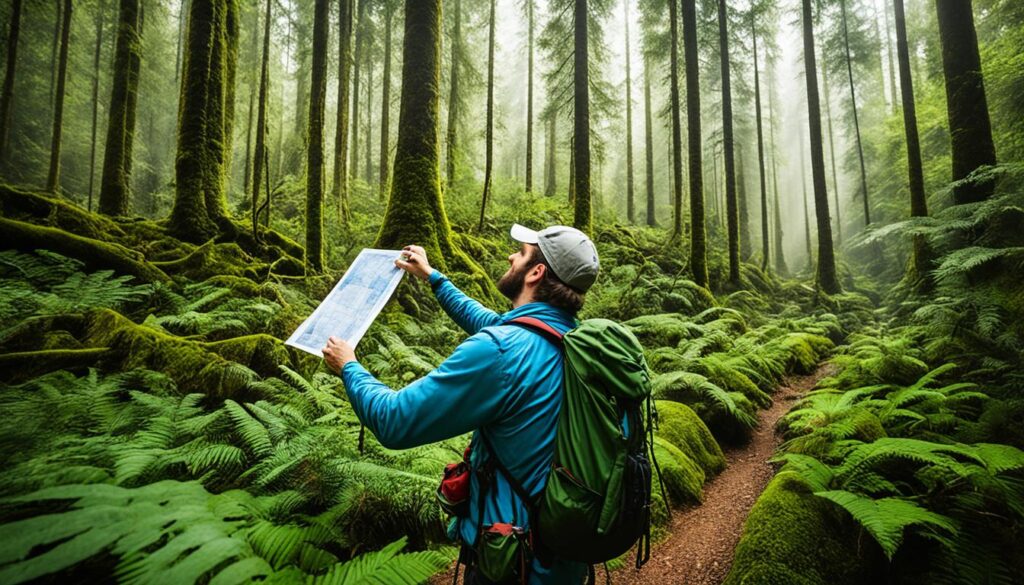
When you go to remote places, you often face new challenges. You’ll need to know how to navigate without easy paths. It’s important to learn how to read maps and use a compass. These skills help you find your way in the wild.
Mastering Orienteering Skills
Learning to orienteer is key for traveling far from civilization. You should know how to read maps, spot landmarks, and use a compass. These skills let you move through unknown lands with confidence. Whether you’re in dense forests or wide open areas, you’ll be ready.
Relying on Local Guides and Expertise
It’s great to know how to navigate on your own, but don’t forget the value of local guides. They know the area well and can make your trip better. With their help, you’ll move through the wilderness with ease and learn more about the place.
Respecting Local Cultures and Traditions
When you go on remote travel adventures, it’s key to respect the local cultures and traditions. Learning about the customs, beliefs, and etiquette of the places you visit is crucial. This helps you have positive interactions and understand the places better.
Being culturally sensitive in remote travel is important. It shows you’re willing to learn and respect the local way of life. This approach leads to meaningful encounters and a deeper appreciation for the world’s diversity.
It’s also vital to follow ethical tourism practices that help local populations. Knowing the local customs in off-the-grid places lets you be more thoughtful. Small actions, like dressing right or respecting religious sites, can make a big difference.
Respecting the local culture is more than just being polite. It opens the door to a deeper connection with the places you visit. By being open and interested in the customs and traditions of others, you make lasting memories. This enriches your journey and has a positive effect on the places you go.
Travel
Getting to remote places can be tough, but with good planning, you can find the best way to get there. It’s important to look into the different ways to travel to get to your off-the-grid adventure. Knowing about transportation choices for isolated spots helps make your trip smooth.
Think about how easy it is to get there, how safe it is, and how it affects the environment. Look into flights, buses, and private planes to find the best way for your trip. Check out flight times, bus routes, and any rules you need to follow.
Learn about the different ways to travel to off-the-grid places. You might need to take flights, buses, or boats to get there. Being ready to change your plans can help you get to your destination easily. Talking to local experts can give you tips on the best way to get there.
By looking into travel logistics and the different ways to get there, you can make your trip smooth and fun. This lets you enjoy the beauty and culture of your destination fully.
Staying Safe in Unfamiliar Terrain
Going into remote areas can be thrilling, but it also has risks. When planning your off-the-grid trip, make safety a key focus. Having the right knowledge and tools can lessen the risks in unknown places.
First Aid and Emergency Preparedness
Learning first aid and emergency planning is key for your safety. Bring a full first aid kit with things like bandages and medicines. Also, learn basic first aid skills for quick care if you get hurt or have a medical issue.
Know how to reach emergency services and communicate during your trip. This way, you can get help if you need it. By thinking ahead about safety, you can enjoy your off-the-grid adventure more. Being prepared lets you dive into the experience without worrying too much.
Capturing Unforgettable Moments
Exploring remote places lets you capture amazing and unique moments. These moments truly show the adventure’s spirit. Whether you’re walking through tough landscapes or living with off-the-grid communities, the right photography skills can make your travel stories come alive.
Photography Tips for Remote Locations
For photography in remote areas, being prepared is crucial. Bring a strong camera, a steady tripod, and flexible lenses. This gear helps you handle the changing lights and tough terrain. Also, learn about photography basics like manual settings and how to arrange your shots to make your adventures stand out.
Notice how the light changes in these places, as it’s often different from what you’re used to. Use the natural light, like during the golden hour or under the midday sun, to make your photos look better. Try different views and angles to show how big and beautiful these places are.
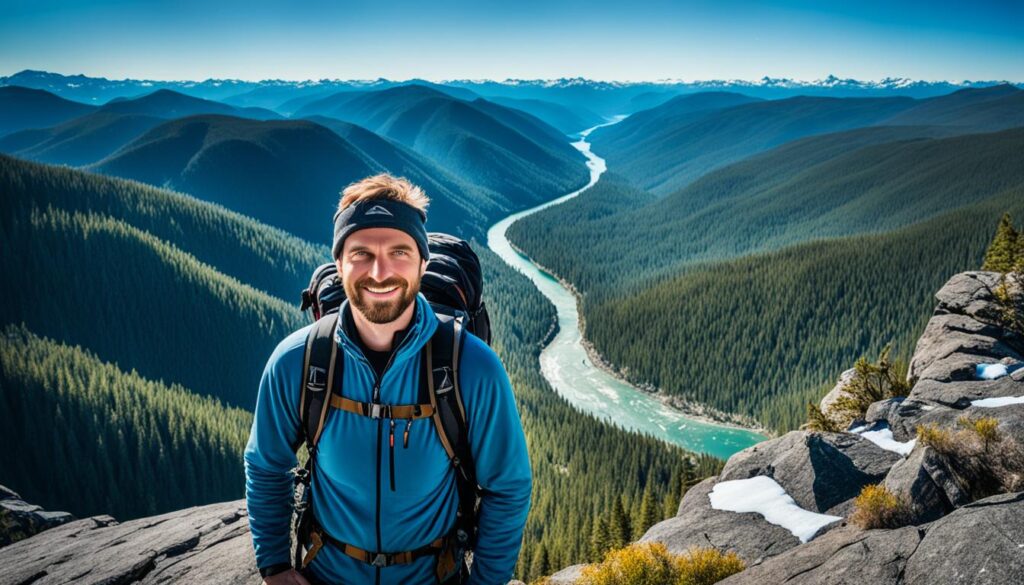
Getting to the best spots in remote areas can be tough. Be ready for hard paths, changing weather, and working with local guides. With a sense of adventure and a focus on responsible travel, you can make photos that keep the spirit of your trips alive.
Leaving No Trace Behind
As adventurers, we must protect the natural places we visit. Following sustainable travel and “leave no trace” principles is key. This helps keep off-the-grid places beautiful and untouched. By being eco-friendly, we reduce our impact and lead by example in responsible tourism.
Sustainable Practices for Responsible Tourism
Traveling to remote areas means being aware of our actions and their effects. We should dispose of waste properly and respect the local ecosystem. Small actions like packing out trash and not disturbing habitats make a big difference.
It’s also important to understand and respect local culture and traditions. By being respectful and supporting eco-friendly businesses, we help the local economy and reduce our impact. Following leave no trace principles and eco-friendly practices keeps these places pristine for others to enjoy.
Budgeting for Remote Adventures
Going to remote places can be costly. You need to plan and budget well to have a smooth trip. Think about things like getting there, where you’ll stay, renting gear, and what to do in emergencies.
Planning your budget for off-the-grid trips is detailed work. Look up the costs of things you’ll need and expect extra costs. Make sure you have money for important gear like strong hiking boots, camping stuff, and ways to communicate from far away.
Adventure travel costs more than just the basics. You might need special permits, guides, or fees to get into some places. Also, think about how much fuel might cost since getting to these places can be tough. By looking at all the costs, you can start your adventure without stress.
Being flexible and ready to change your budget is key for remote travel. Be ready to adjust your spending if things don’t go as planned. With good research and a solid plan, you can enjoy your adventure more and worry less about money.
Connecting with Fellow Explorers
Exploring remote places can be thrilling and life-changing. It’s even better when you share it with others who love adventure. Connecting with other explorers can make your travels richer in many ways.
You’ll find new insights, chances to work together, and a sense of friendship. This makes your adventures more special.
Building a Community of Adventurers
Look for online groups, local adventure clubs, or social media for travel lovers. These places help you meet people who love exploring remote areas as much as you do. You’ll get tips, find travel buddies, and hear about new places to visit.
Joining these communities lets you grow your network. You’ll learn from experts and get ideas for your next trip. It’s a great way to meet people who share your passion for adventure.
Working with other adventurers can lead to exciting projects. You might plan trips together, share gear, or create new experiences. By teaming up, you can overcome challenges easier, save money, and make unforgettable memories.
Let your love for exploration lead you to a group of people who make your travels better. Together, you can make your adventures even more rewarding.
Embracing the Transformative Power of Travel
Traveling to remote places can change you deeply. It lets you see the world from new angles, push past your limits, and connect with different cultures. This can make you appreciate life more, grow as a person, and find new wonder and purpose.
Adventure travel does more than just take you places. It changes how you see things, makes you question your beliefs, and brings out your curiosity and strength. By growing through travel, you learn more about yourself and your role in the world.
Let remote travel change you and start amazing journeys. Dive into different cultures, challenge what you know, and welcome new discoveries. Travel’s power to transform can light a spark in you. It can lead you to discover yourself, grow, and see how we’re all connected.